
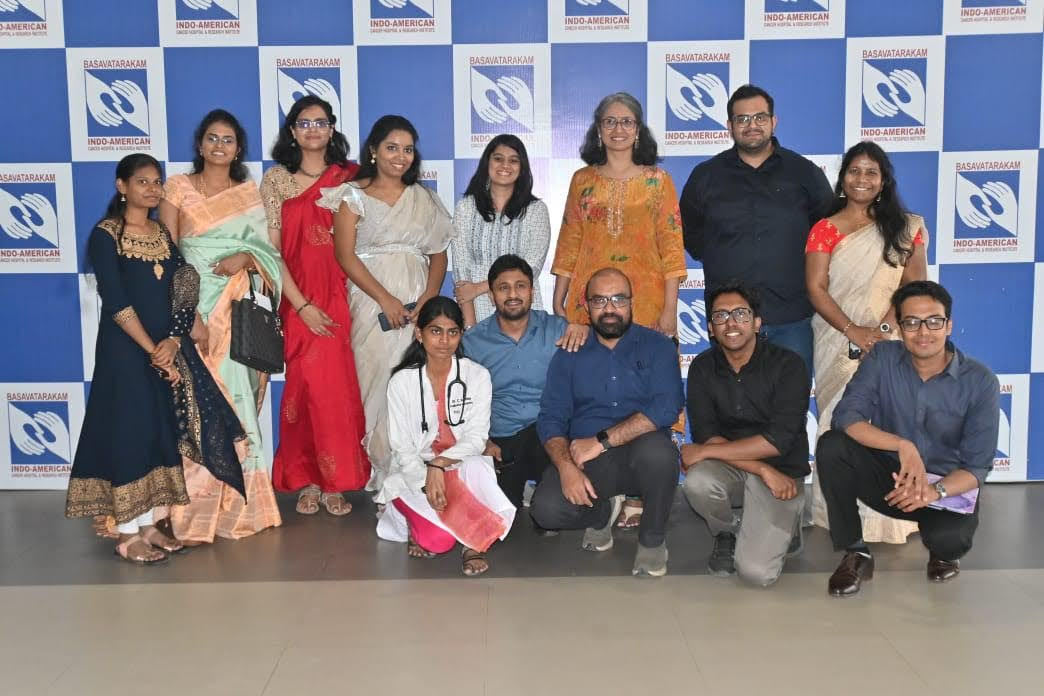
“The Other Side of Medicine” — A Reflection on My Journey in Palliative Care
Dr. Vanumu Divya Sai, Hyderabad
There are moments in medicine that stay with you—not because of what you treated, but because of what you felt.
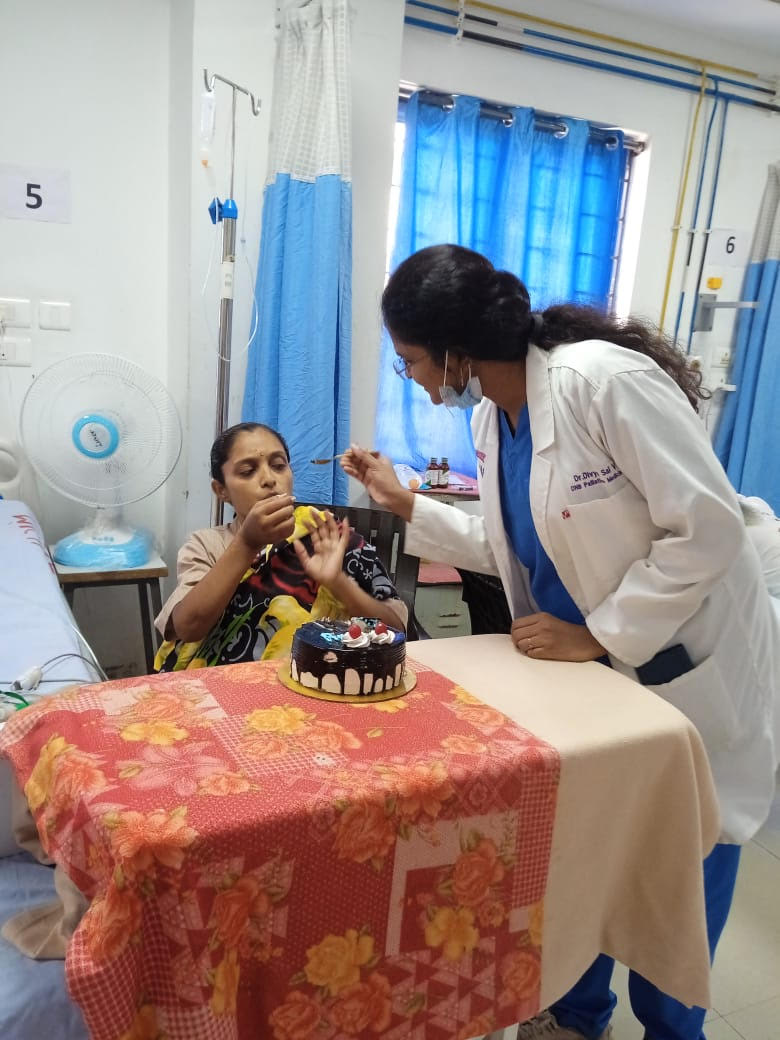
I was trained, like most of us, to diagnose, to intervene, to cure. Success was measurable. Numbers improved, scans reduced, discharges increased. Through medical school, I followed that path closely. I worked hard, did well academically, and like many of my peers, was expected to choose a field where outcomes were measurable and visible. And yet, somewhere along the way, I began to notice the quiet spaces between those victories, the patients we could not cure, the families who sat waiting for answers we didn’t have, the silences we often filled with more investigations rather than understanding.
Choosing palliative medicine was not the obvious path. I was often asked, “Why would someone who has always excelled choose this?”
What I struggled to explain then, I understand clearly now. Because here, medicine feels… complete.
In palliative care, I met patients who taught me more than textbooks ever could. They taught me that pain is not always physical. “PAIN CARRIES LAYERS”. Sometimes, what hurts the most is unfinished conversations, unspoken fears, the quiet realization of time slipping away. I learned to sit beside suffering, not rush to silence it. To listen not just to symptoms, but to stories, more aptly, “LIVES”.
I remember a young patient in the ICU, in his early thirties, who asked a simple question:
“Am I going to die?”
His reports had already told the story.
But no one had said it aloud.
He was not just in pain! He was afraid. Afraid of what lay ahead, of what he was witnessing around him, of being unprepared for what was coming.
In that moment, I realised that managing symptoms alone is not enough.
They need clarity. They need honesty. They need someone willing to sit beside them in their uncertainty. Some days, all we can do is hold space. And strangely, those days feel the most meaningful.
There is a certain intimacy in this field, being invited into the most vulnerable chapters of someone’s life. Patients and families who begin as strangers gradually become familiar, almost like an extension of your own world. You are there in their uncertainty, their decisions, their grief, and sometimes, in their peace.
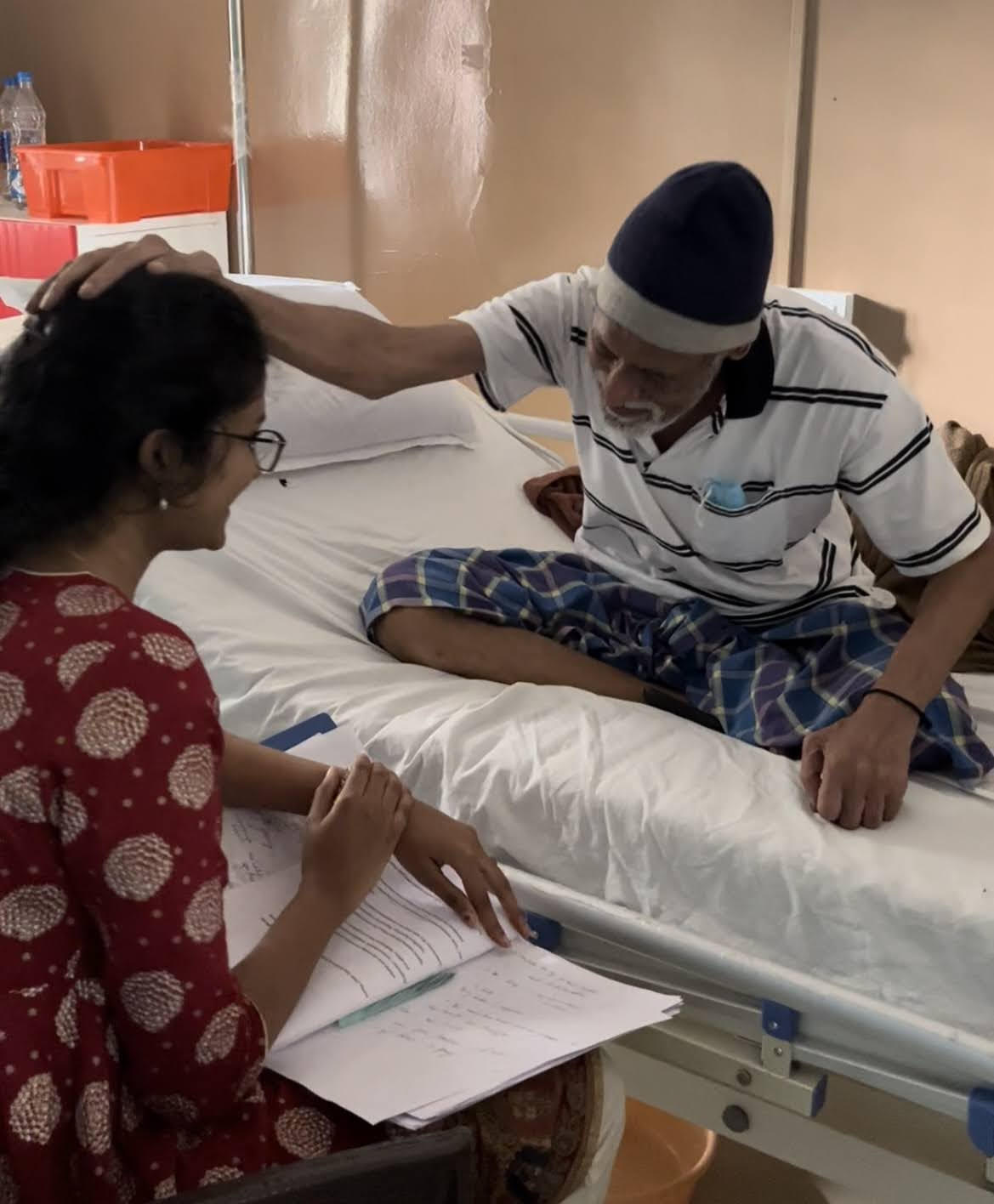
“We celebrate birth with joy and gathering….
yet how quietly profound it is that, at the end of life, we are invited again…
this time, to bear witness, to honour, and to say goodbye.
Not everyone is allowed into that space.
And being there is one of the deepest privileges of this profession.”
And in those moments, I realized something that changed me forever:
“This is also medicine.”
Not the kind that cures disease, but the kind that heals suffering.
I often say—”death will always remain in the eyes of those who live on.”
And that is where our work continues. In easing that memory. In ensuring that what remains is not just loss, but dignity, comfort, and love. These moments do not feel like routine clinical encounters. They ask you to slow down, to listen without interruption, to be present without needing to fix everything. And in doing so, they change you.
This journey has softened me. It has changed the way I practice medicine. It has made me pause before I prescribe, ask before I assume, and sit before I speak. It has taught me that quality of life is not an endpoint- it is something we must protect throughout illness, not just when treatment ends.
And yet, despite its importance, I often find myself wondering,
“Why do so few young doctors consider this path?”
“Why are we hesitant to step into this side of medicine?”
Perhaps because we are trained to associate success with curing!
Perhaps because sitting with suffering feels harder than treating it!
Perhaps because outcomes here are quieter, less visible, but no less meaningful!
But there is also this kind of medicine. A field that is deeply human, and just as rigorously trained.
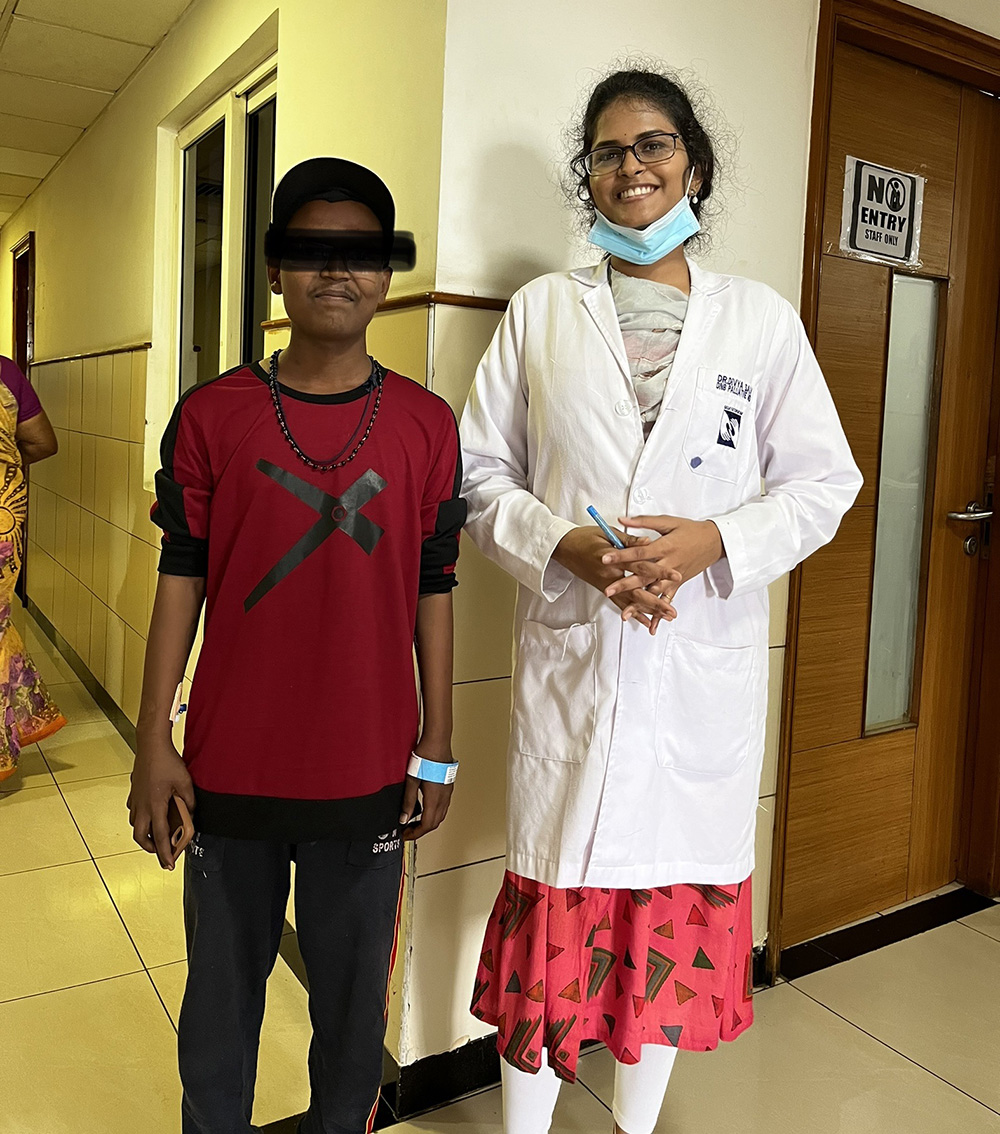
What continues to guide me is simple. To make palliative care more visible, more understood. To remind young doctors that choosing this path is not stepping away from medicine, but stepping deeper into its very core. To advocate for a system where we care not only about how long our patients live, but how well they live.
In doing so, I have realised that patients are not just recipients of care. They are teachers. They have taught me patience when answers are not immediate, humility when medicine has limits, and perspective when outcomes are beyond control. In many ways, they have shaped me more than any formal education ever could. And I am grateful, beyond words, that I chose this side of medicine.
On this Doctor’s Day, I find myself reflecting on what it truly means to be a doctor. Not just to treat disease, but to stand by a person through it. Not just to extend life, but to honour it.
To young doctors and students who are still finding their path,
it is okay to choose a branch that does not always promise cures, but always offers meaning. It is okay to value listening as much as intervention, presence as much as prescription.
“Medicine needs all kinds of doctors.”
But it especially needs those who are willing to stay when things are uncertain, uncomfortable, and deeply human.
“Because sometimes, the most important thing we can offer…
is not a cure, but ourselves.”
And that, too, is medicine. “And perhaps, that is where medicine finds its truest meaning.”
About the Author:

Dr. Vanumu Divya Sai is a DNB Palliative Medicine specialist with clinical experience in tertiary cancer care and hospice settings. She is the recipient of the NBEMS President’s Gold Medal in Palliative Medicine. She has authored multiple peer-reviewed publications and is actively involved in patient education, caregiver support, and training healthcare professionals in palliative care practices. She is also engaged in digital advocacy, raising awareness on palliative care through her professional platforms.